HOW TO MAKE COLD BREW
Thirteen hours of doing nothing, our favorite kind of work. What you get is a concentrate, strong enough to dilute with water, milk, or ice before drinking.
Cold brew coffee is not the same as coffee that has gone cold. The difference lies in the cold brewing process itself.
THE NUMBERS, FOR ONE CUP
THE NUMBERS, FOR ONE CUP

TIME
13 hours

COFFEE
150 grams

WATER
1l

RATIO
1:6,5

GRIND
Coarse, like sea salt

TEMP
Cold, refrigerated or at room temperature
TIME
3 min
COFFEE
20 grams
WATER
300ml
RATIO
1:15
GRIND
Sand
TEMP
94°C
NO SCALE? NO PROBLEM.
150 GRAM
Is about a grapefruit’s worth of ground coffee, or roughly twelve level tablespoons.
1 L
Is a full milk carton, refilled with water.
GRIND
Should be as coarse as sea salt, even coarser than for a French press, because it has thirteen hours to brew.
THE STEPS
01
GRIND YOUR COFFEE FRESH AND COARSE
150 g coarsely ground coffee with 1 liter of cold water in a large jar. Stir once so all the coffee is wet.
02
COVER AND LET STEEP FOR 13 HOURS
At room temperature or in the fridge. Overnight is the easiest way to hit that time without needing a timer.
03
STRAIN THROUGH A PAPER FILTER OR FINE CLOTH
A sieve alone will leave sediment in the cup.
04
STORE THE CONCENTRATE IN THE FRIDGE FOR UP TO TWO WEEKS
It only gets smoother over the first few days.
05
DILUTE BEFORE DRINKING, ROUGHLY 1:1
With water, milk, or over ice. Straight from the jar, it’s more of a shot than a drink.
TRANSLATED FROM BARISTA TALK
"Cold, slow extraction favours different solubility compounds"
Cold water extracts different flavors than hot water, which is why cold brew tastes smoother and less acidic, even when made with exactly the same beans.
"Serve as a concentrate to preserve flexibility"
Don’t drink it straight. It’s meant to be diluted.
HOW THE FIVE COFFEES TASTE AS COLD BREW
COFFEE
AFTER 13 HOURS, DILUTED 1:1
SHORTER (8 HOURS)
LONGER (18 HOURS)
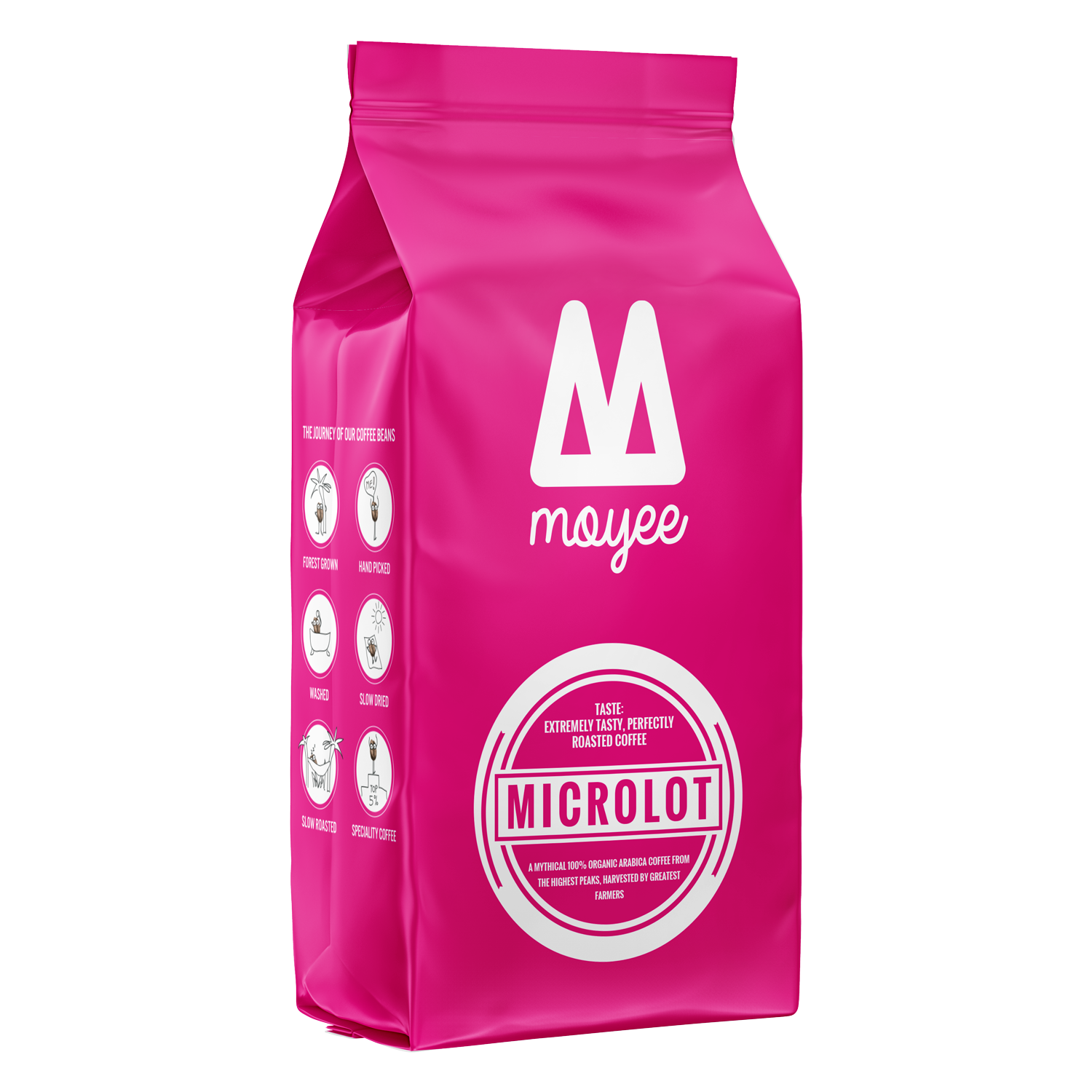 MICROLOT
Smooth, dark chocolate, long finish
Thinner, less complex
Slightly more bitter, still smooth
COFFEE: MICROLOT
AFTER 13 HOURS, DILUTED 1:1
Smooth, dark chocolate, long finish
SHORTER
(8 HOURS)
Thinner, less complex
LONGER
(18 HOURS)
Slightly more bitter, still smooth
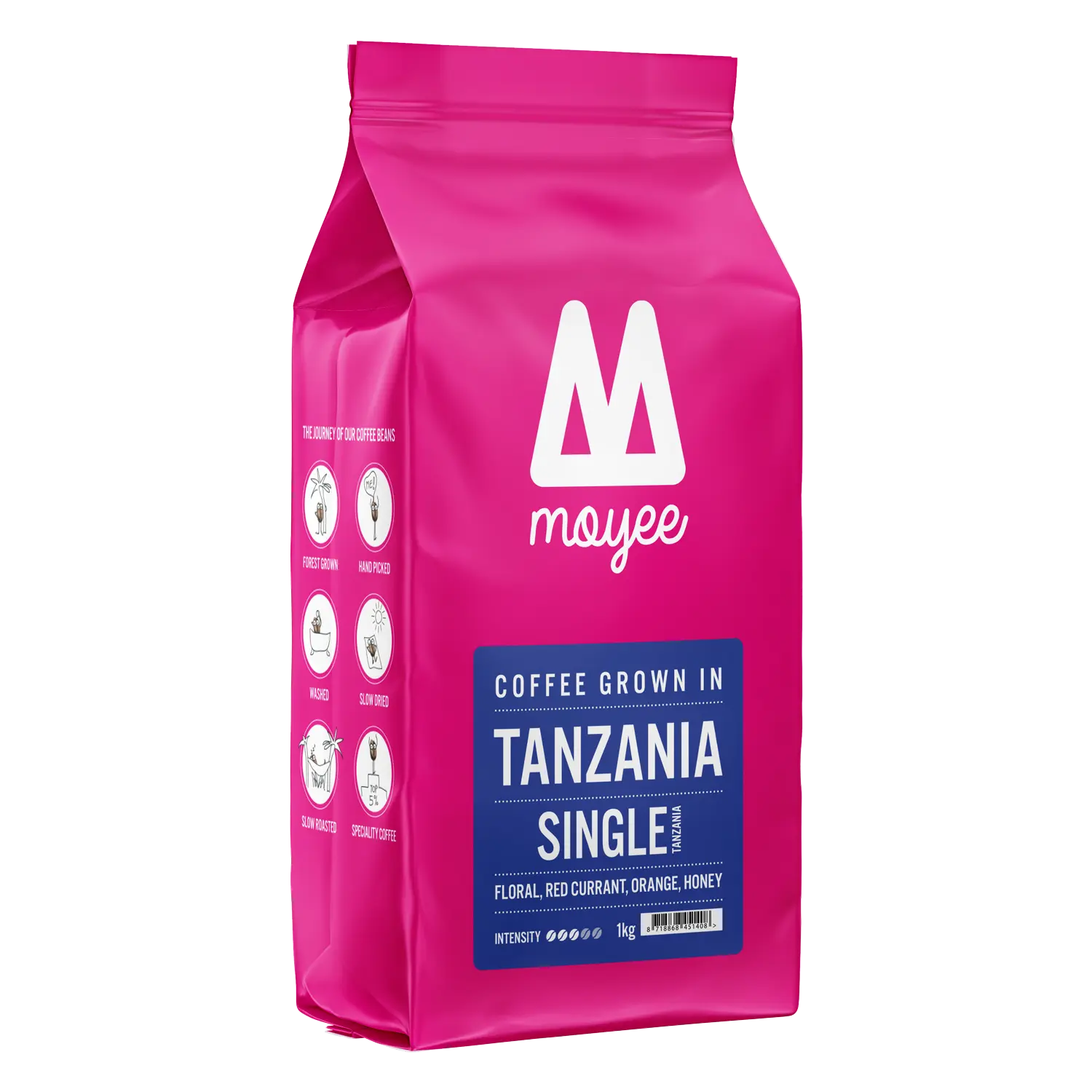 SINGLE
Surprisingly bright for a cold brew, with berry notes
Underdeveloped, weak
Fuller-bodied, still clean
COFFEE: SINGLE
AFTER 13 HOURS, DILUTED 1:1
Surprisingly bright for a cold brew, with berry notes
SHORTER
(8 HOURS)
Underdeveloped, weak
LONGER
(18 HOURS)
Fuller-bodied, still clean
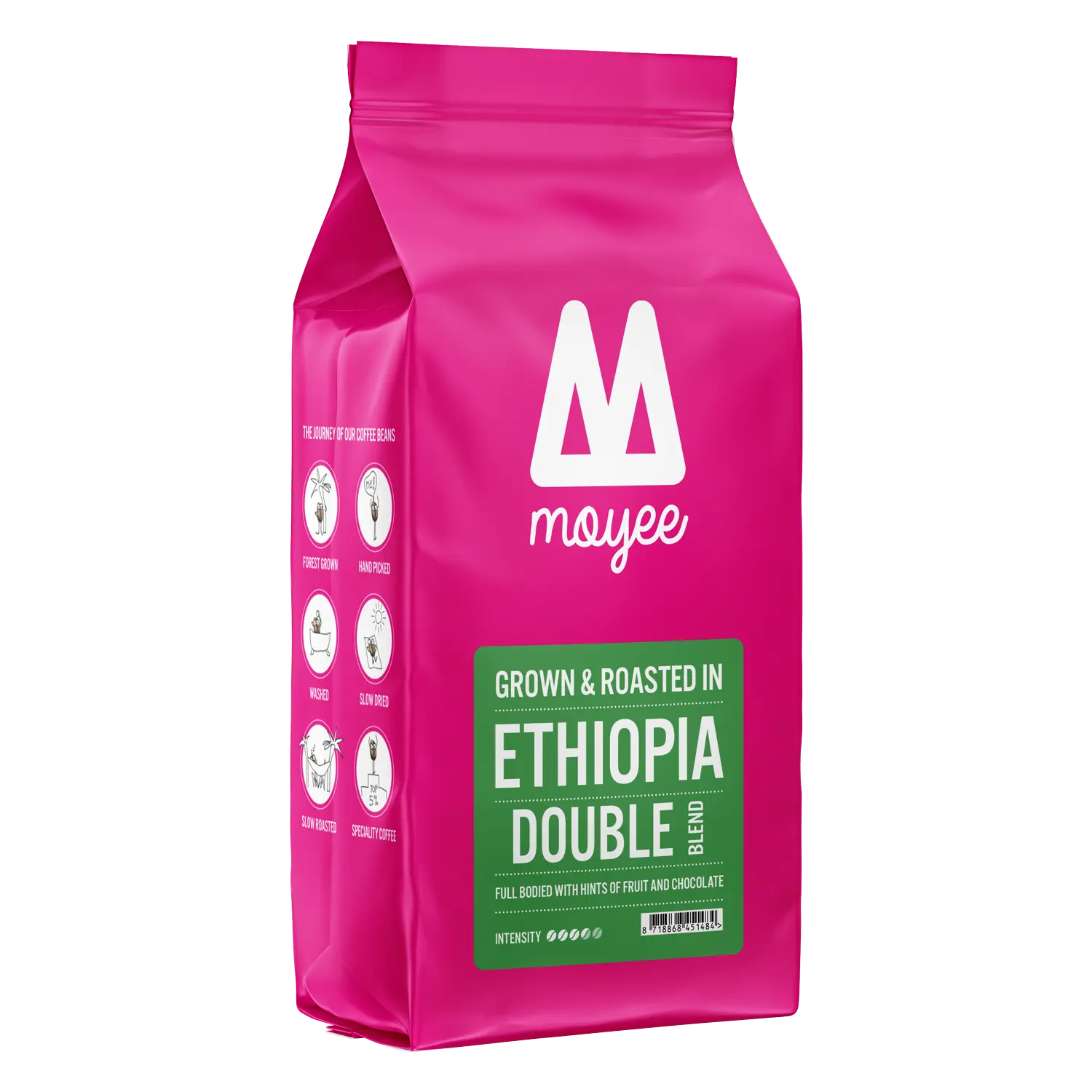 COFFEE: DOUBLE
AFTER 13 HOURS, DILUTED 1:1
Sweet, low acidity, very easy to drink
SHORTER
(8 HOURS)
A little thin
LONGER
(18 HOURS)
Rounder, perhaps the best sweet spot
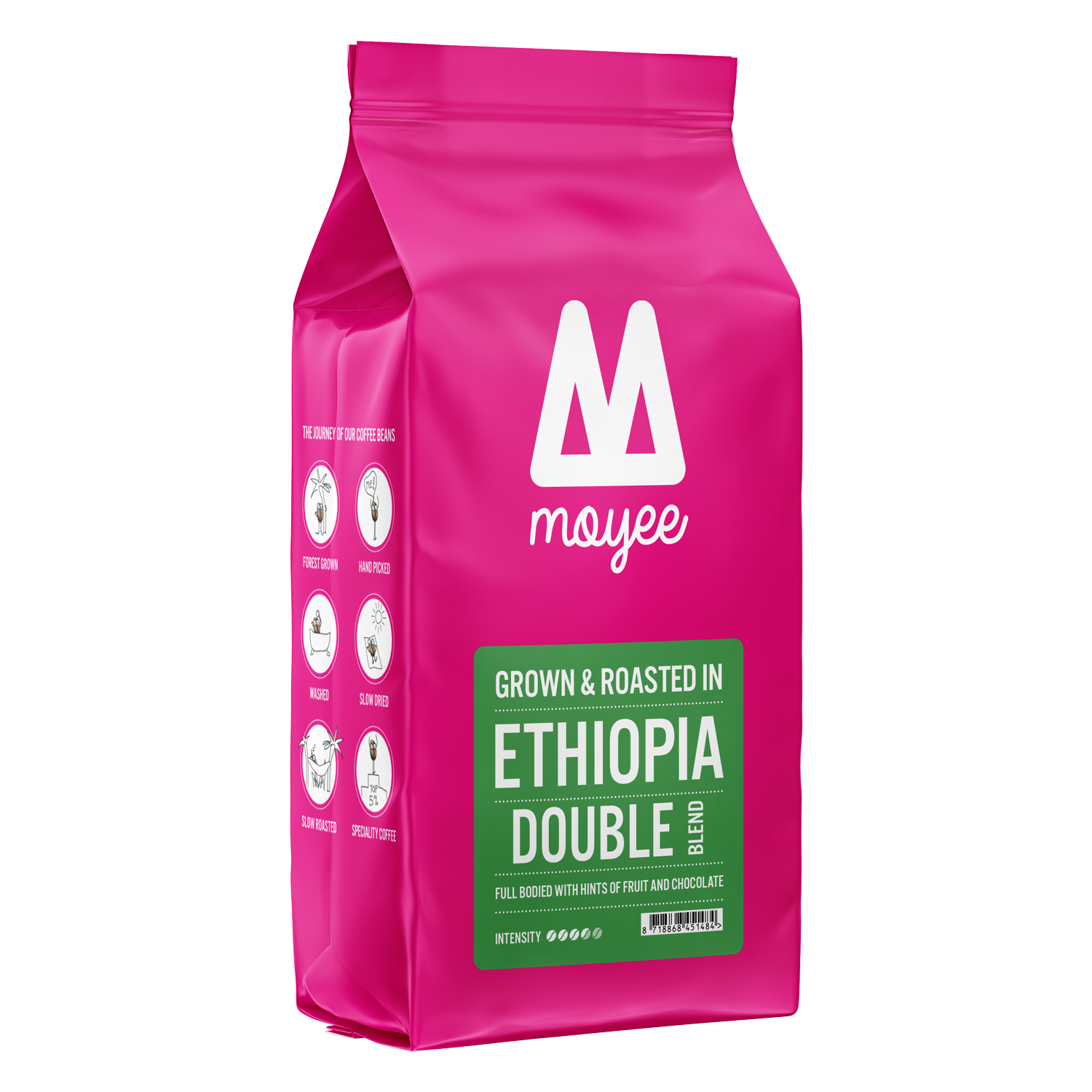
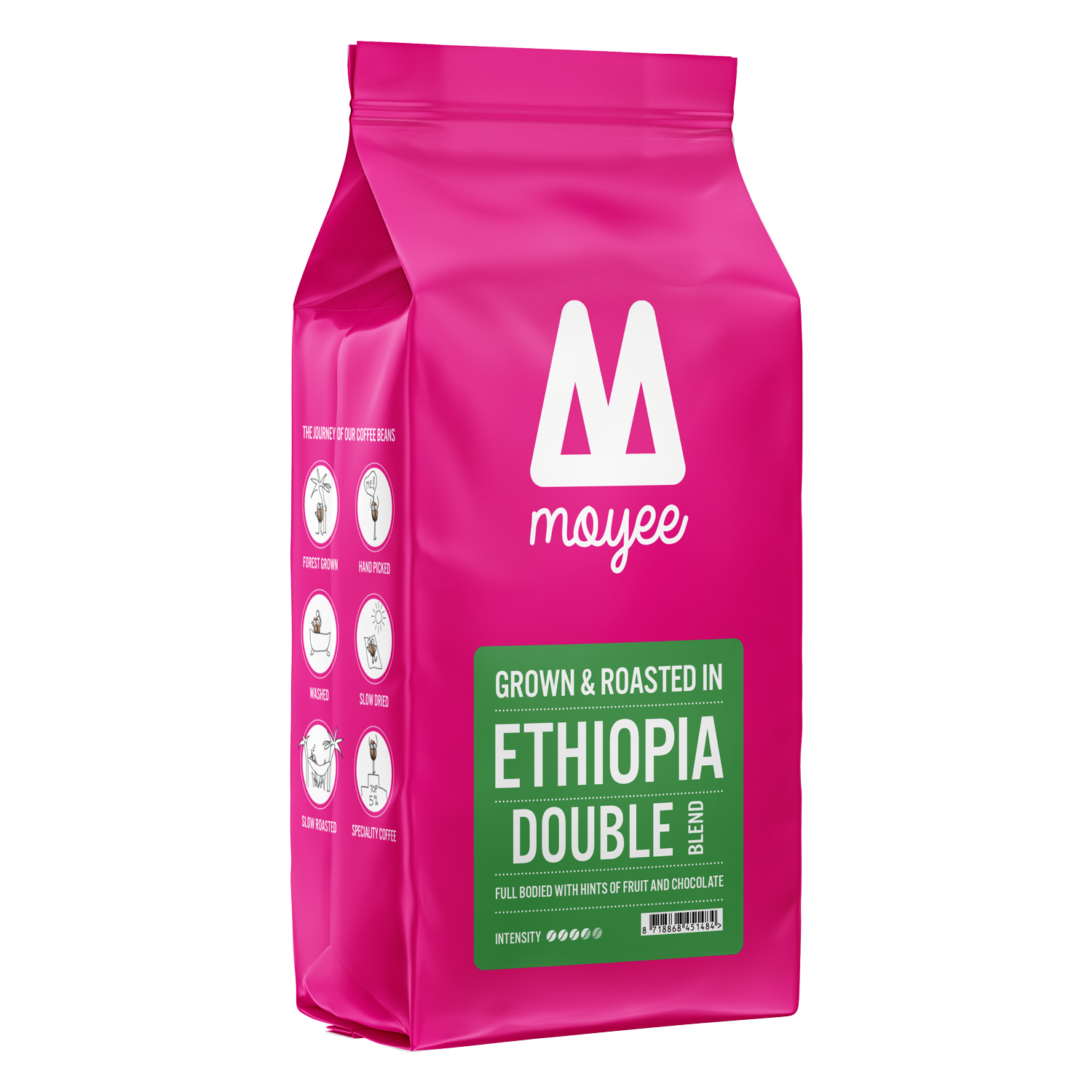
DOUBLE
Sweet, low acidity, very easy to drink.
A little thin.
Rounder, perhaps the best sweet spot.
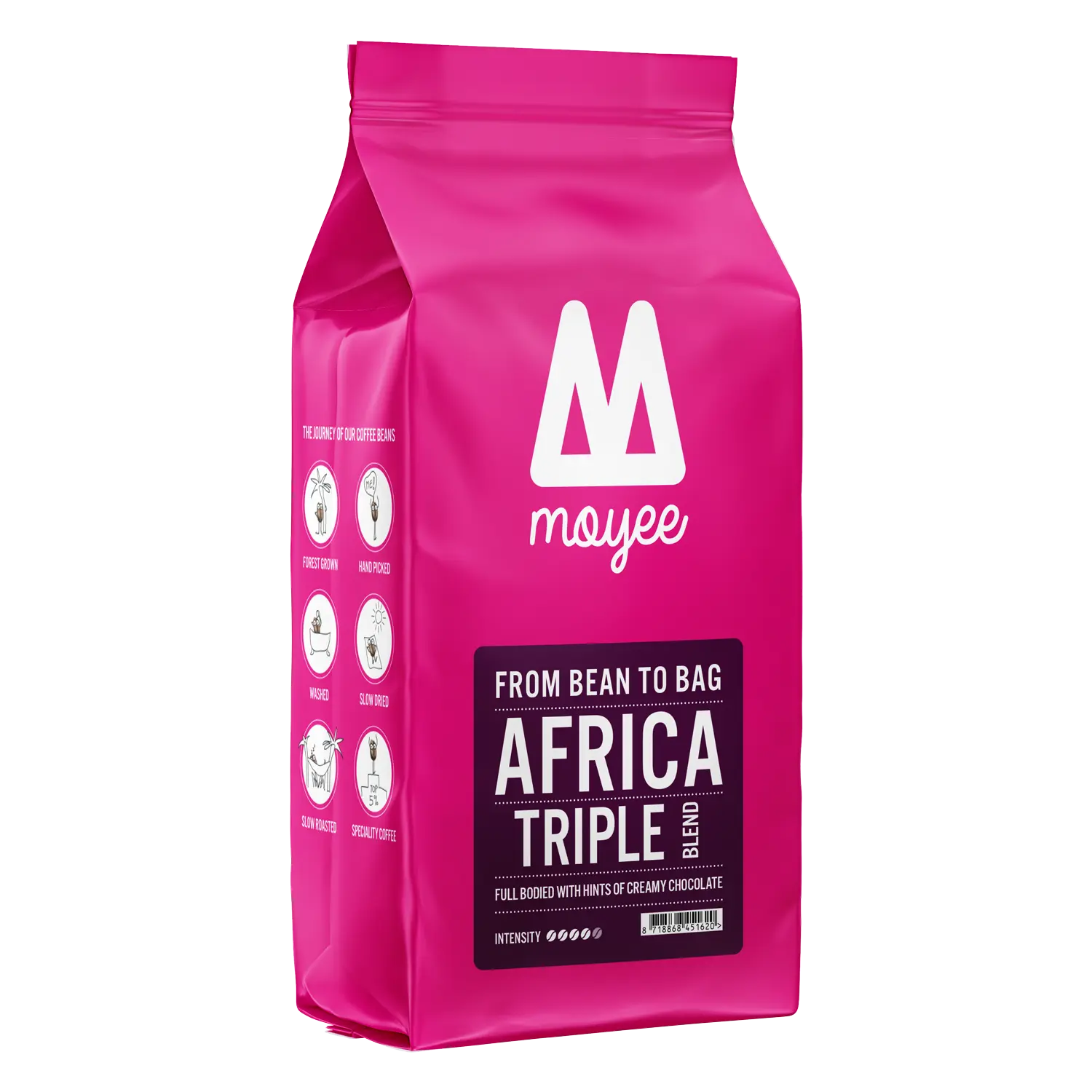 TRIPLE
Rich, chocolatey, holds up well over ice.
Fine, a little light.
Thick, great with milk.
COFFEE: TRIPLE
AFTER 13 HOURS, DILUTED 1:1
Rich, chocolatey, holds up well over ice
SHORTER
(8 HOURS)
Fine, a little light
LONGER
(18 HOURS)
Thick, great with milk
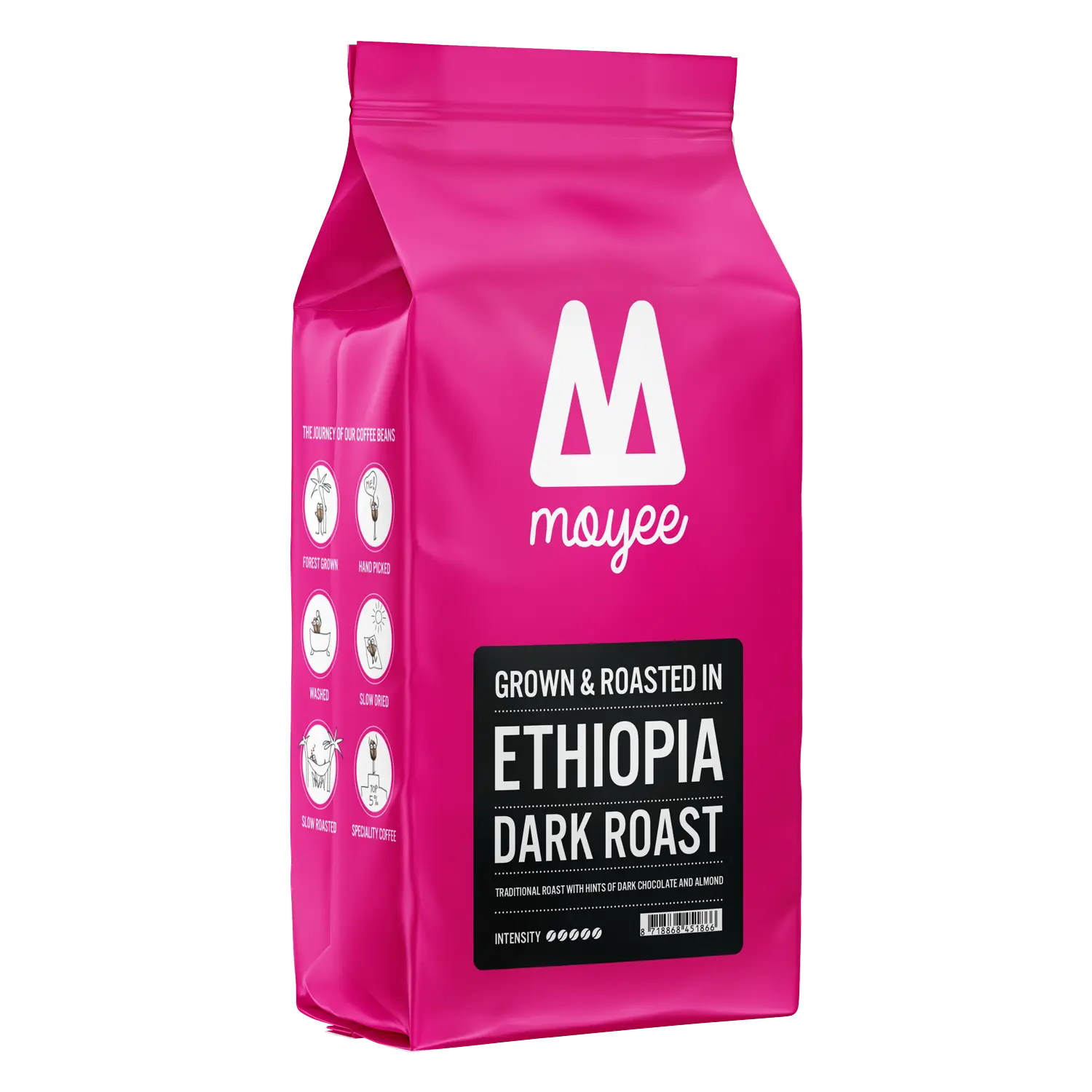 DARK
DARK
Bold and smooth, cold brew softens its edge.
Still good.
Can become slightly bitter after 18 hours.
COFFEE: DARK
AFTER 13 HOURS, DILUTED 1:1
Bold and smooth, cold brew softens its edge
SHORTER
(8 HOURS)
Still good
LONGER
(18 HOURS)
Can become slightly bitter after 18 hours
COLD BREW IS FORGIVING WHEN IT COMES TO ACIDITY, BECAUSE THE PROCESS ITSELF SMOOTHS IT OUT.
But it’s not immune to bitterness if you leave it steeping for a full day. Thirteen hours is the sweet spot for all five. Double just takes the win as the crowd favorite.
COLD BREW IS FORGIVING WHEN IT COMES TO ACIDITY, BECAUSE THE PROCESS ITSELF SMOOTHS IT OUT.
But it’s not immune to bitterness if you leave it steeping for a full day. Thirteen hours is the sweet spot for all five. Double just takes the win as the crowd favorite.
TASTES WEIRD?
WEAK
Let it steep longer, or use a little more coffee.
CLOUDY OR GRITTY
Run it through a paper filter again. Cloth alone lets fine particles through.
FLAT AFTER A FEW DAYS
Store the concentrate sealed in the fridge. Exposure to air causes it to oxidize.
TOO STRONG
That’s intentional. Dilute it 1:1 — it’s not a suggestion, but the final step of the recipe.
WEAK
Let it steep longer, or use a little more coffee.
CLOUDY OR GRITTY
Run it through a paper filter again. Cloth alone lets fine particles through.
FLAT AFTER A FEW DAYS
Store the concentrate sealed in the fridge. Exposure to air causes it to oxidize.
TOO STRONG
That’s intentional. Dilute it 1:1 — it’s not a suggestion, but the final step of the recipe.
FREQUENTLY ASKED QUESTIONS
150 grams of coarsely ground coffee to 1 liter of cold water, steep for 13 hours, strain through a paper filter, and dilute 1:1 before serving.
Coarse, like sea salt. Coarsely ground coffee is more important here than with almost any other brewing method, because the long steeping time would otherwise over-extract the fine particles.
About 13 hours at room temperature or in the fridge. A shorter steep gives a thinner cup, while going beyond 18 to 24 hours can make it taste slightly bitter.
Yes. Cold brew is brewed as a concentrate at roughly a 1:6.5 ratio and is meant to be diluted about 1:1 with water, milk, or ice. Undiluted, it’s much stronger than a regular cup of coffee.
Up to two weeks, sealed in the fridge.
Double for a sweet, easy-drinking version. Triple if you drink it with milk. Single if you want to keep that bright, fruity character.
The concentrate is much stronger per milliliter, but once diluted to drinking strength, its caffeine content is usually similar to or slightly lower than regular coffee.